Commercial interiors are lit by ceiling height more than by anything else. A 30 foot warehouse ceiling and a 9 foot office ceiling need different fixtures, different optics and different mounting. Browse the range below, or read on for help choosing.
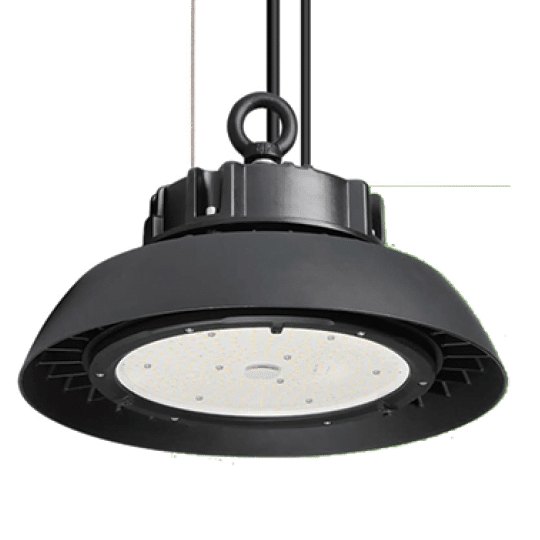
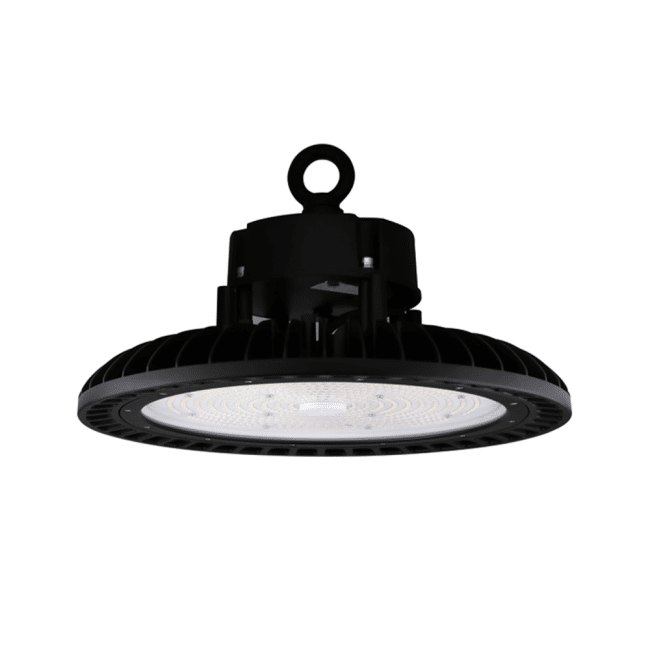
Whether you’re looking for flourescent, metal halide, or LED, our variety of high bay lighting fits warehouses and factories with large open are
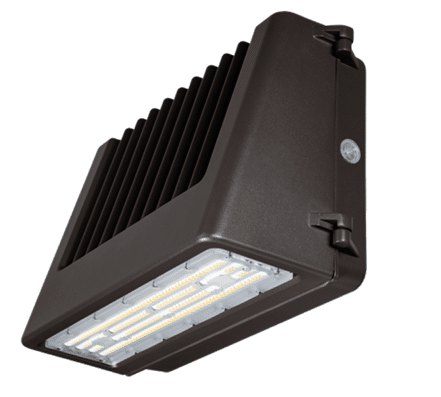
Whether you’re looking for traditional open-faced wallpacks or more contemporary security lighting, LED Spot carries top quality wall mounted fi
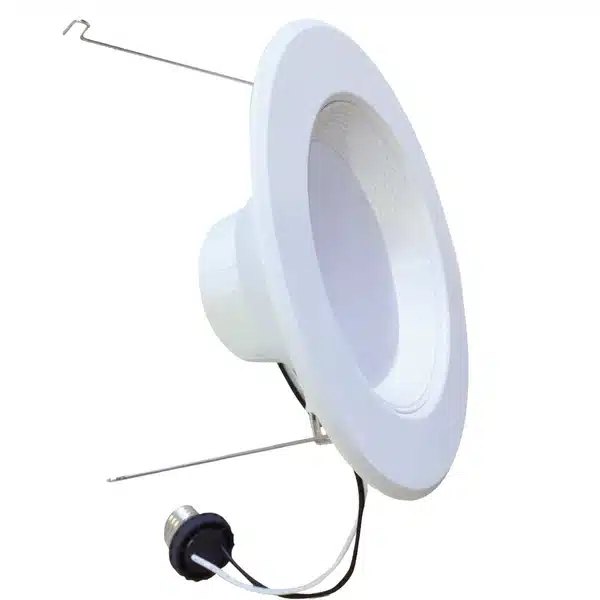
Whether you have new construction or you’re retrofitting your existing lighting, LED Spot carries a variety of recessed lighting fixtures for an
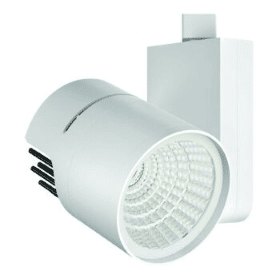
LED Spot offers high quality track lighting for any architectural style or interior design. Whether you’re looking for complete kits or individu
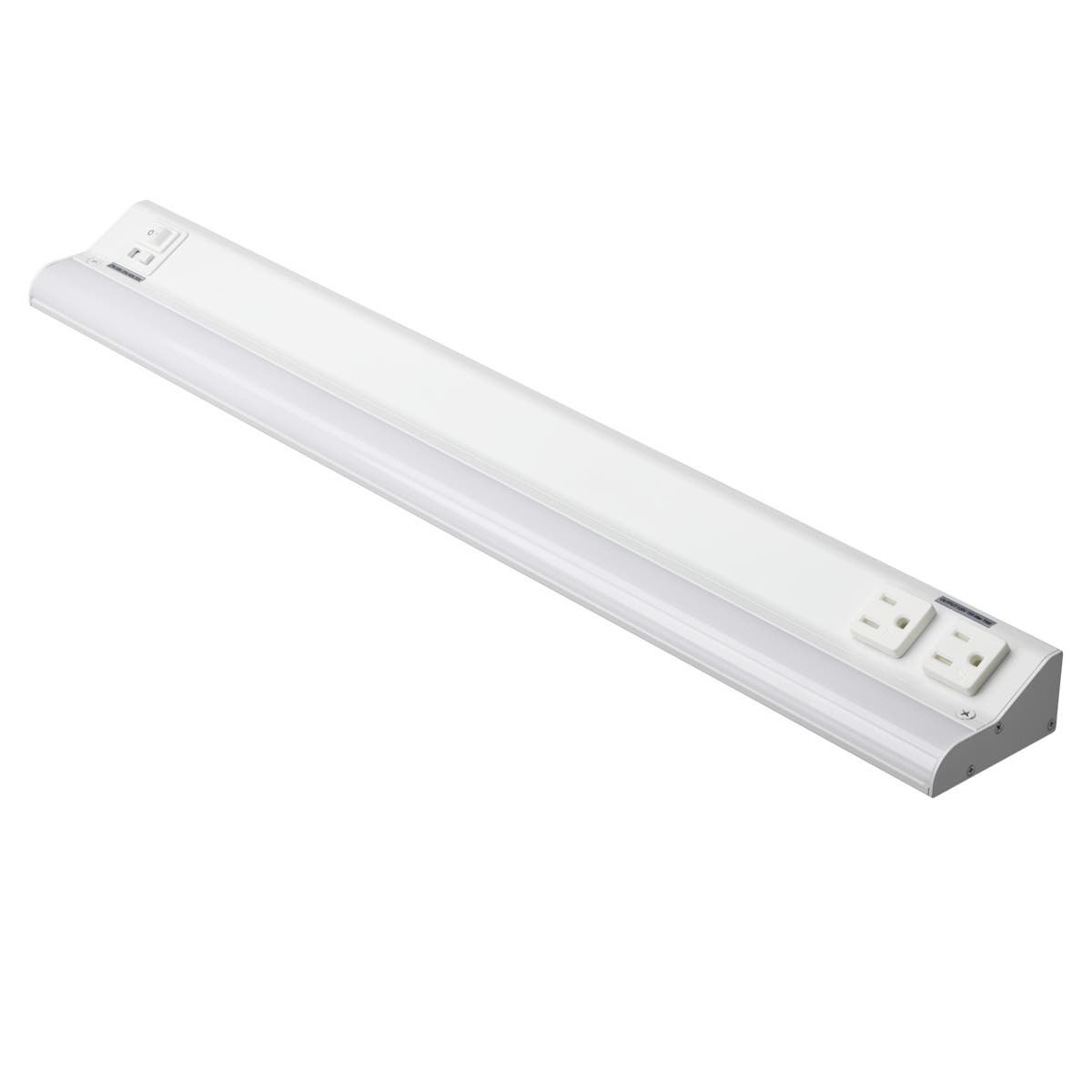
Lighting under cabinets is easy with LED Spot’s wide variety of products. Our puck lights, undercabinet lights, and ruler lights provide lightin
How Does Ceiling Height Decide the Fixture?
High bay fixtures are built for ceilings roughly 20 feet and above, using narrower optics to push light down to the floor without wasting it on the walls. Low bay fixtures cover the range below that with wider distribution.
Below about 12 feet the answer is usually recessed troffers, panels or surface mounts rather than a bay fixture at all. Putting a high bay on a low ceiling produces glare and hot spots; putting a low bay on a high ceiling wastes most of the output.
What Is the Difference Between a Troffer, a Panel and a Downlight?
A troffer drops into a suspended ceiling grid and throws a broad, even wash, which is why offices and classrooms use them. A flat panel does a similar job in a slimmer housing with a more uniform luminous surface.
A downlight or recessed can concentrates light in a narrower cone for accent, circulation and retail display. Retrofit downlight kits fit into an existing can without replacing the housing.
Where Do Track and Under Cabinet Lighting Fit?
Track lighting puts adjustable heads on a powered rail so light can be aimed at merchandise, artwork or a work surface and re-aimed later when the layout changes. That flexibility is why retail and gallery spaces favor it.
Under cabinet lighting handles the task layer, lighting a counter or work surface that overhead fixtures shadow.
What Do Emergency and Exit Fixtures Have to Do?
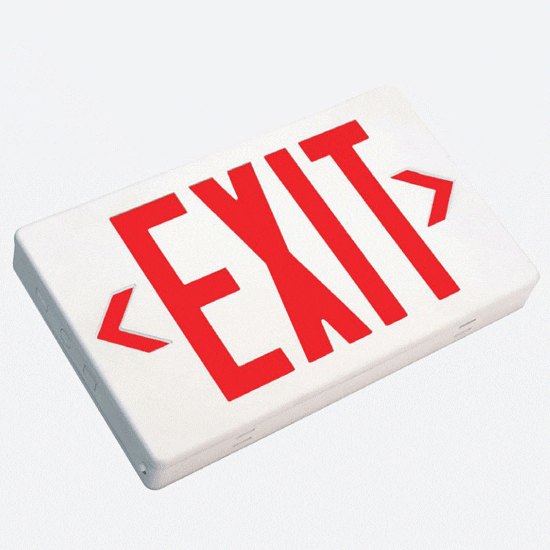
Emergency fixtures carry an internal battery and bring up illumination when normal power fails, so occupants can reach an exit. Exit signs mark the route itself and are usually required to stay illuminated continuously.
Remote head emergency units let one battery unit drive additional heads placed where they are needed. Requirements for placement and duration are set by code, so confirm what applies to your building before specifying.
Is Retrofitting or Replacing the Fixture Better?
A retrofit kit puts new LED components into an existing housing, which keeps the ceiling intact and cuts installation work. That suits a building where the housings are sound and the layout is right.
Full replacement makes sense when the housings are failing, when the fixture spacing was wrong to begin with, or when the space is changing use and the lighting layout needs to change with it.
High bay fixtures are generally used from around 20 feet up, and low bay fixtures below that. The exact crossover depends on the fixture optics and the light level you need at floor level, which a photometric layout will confirm.
Both drop into a suspended ceiling grid and light a space evenly. A troffer usually has a deeper housing with a reflector or lens, while a flat panel is slimmer with a more uniform luminous surface. The choice is often about ceiling depth and appearance.
Often yes. Retrofit downlight kits are made to fit standard housings and keep the existing can in the ceiling. Check the can size and trim style, and confirm whether the existing wiring and any dimmer are compatible with the new driver.
Exit signs are typically illuminated continuously. Emergency fixtures normally sit dormant and switch to battery output when power is lost. Both are governed by code requirements that vary by building type and jurisdiction.
Cooler temperatures are common in warehouses and industrial spaces because they read crisp and support visual acuity. Offices and retail often use something slightly warmer for comfort. The right answer depends on the work being done and the finishes in the space.
Many can, but it depends on the driver supporting a dimming protocol and on the dimmer being compatible with that driver. Confirm the pairing before ordering rather than assuming any dimmer will work.
Free Photometric Design
Send us your dimensions and we will model fixture placement and light levels at no charge, before you commit.
Ready to Get Started?
Request a quote on any item, or call and talk it through with someone who specs these every day at (281) 972-5006.