Where lighting ideas turn into real lighting solutions

Commercial Landscape and Outdoor Lighting

Bullet lights, path lights, bollards, inground, underwater, step and string lighting for commercial and residential landscapes.

Home › Lighting Products › Landscape and Outdoor Lighting

Landscape lighting works when you notice the building, the tree or the path and not the fixture. That means choosing the right fixture for each job, running the right wire gauge, and sizing the transformer for the load. Browse the range below, or read on for help choosing.

Browse All Landscape and Outdoor Lighting

BBQ lights that give versatile outdoor light for late night grilling and summer barbecues.

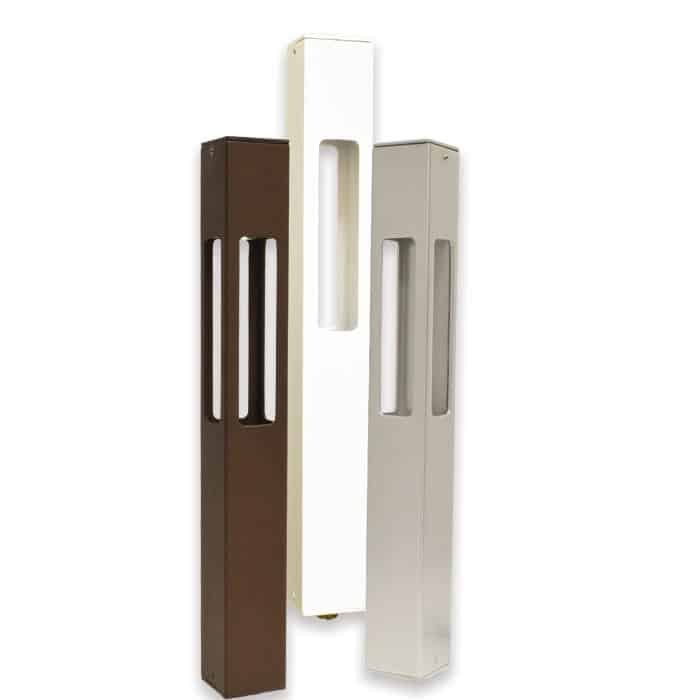
Bollards for practical or decorative path lighting, in a variety of shapes and styles.

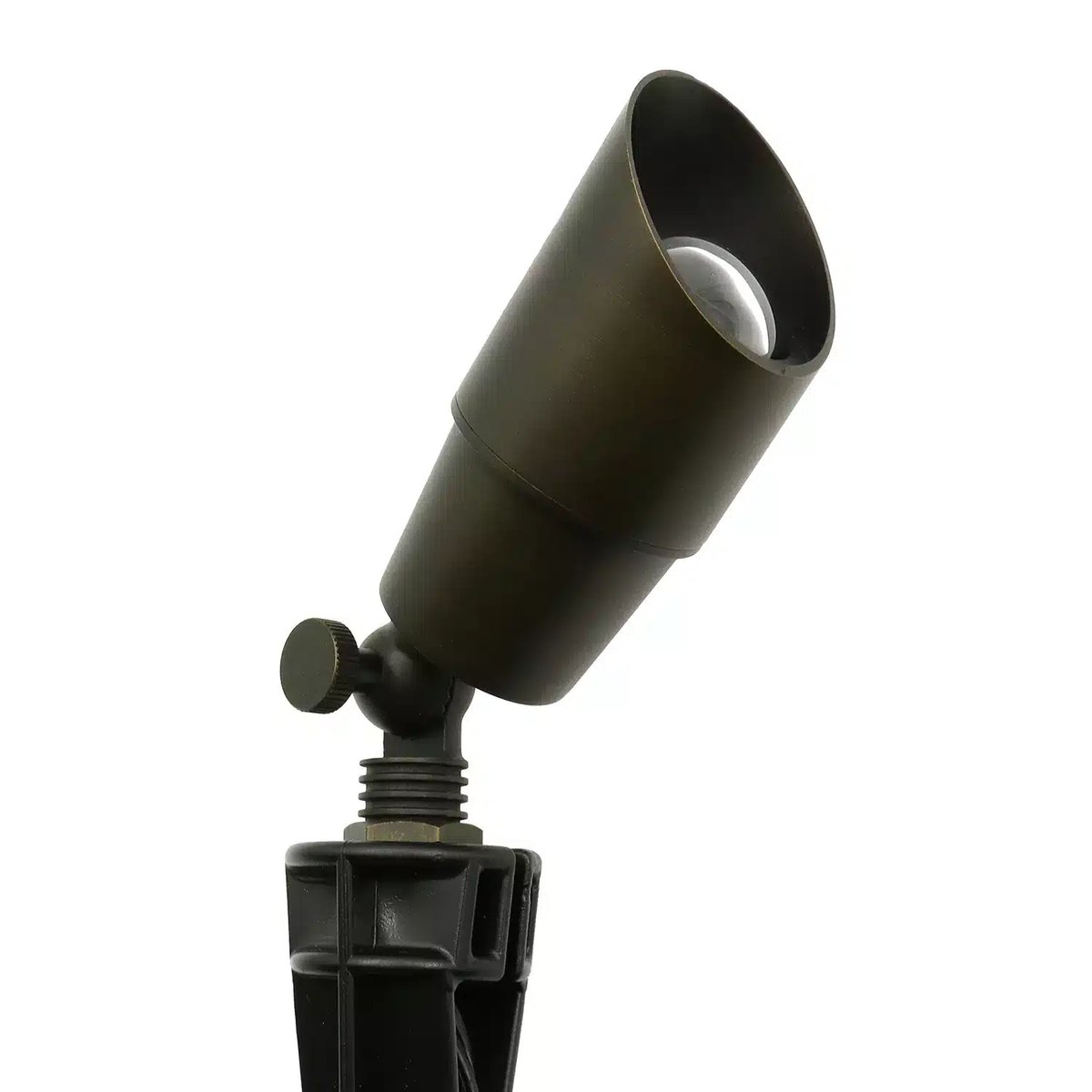
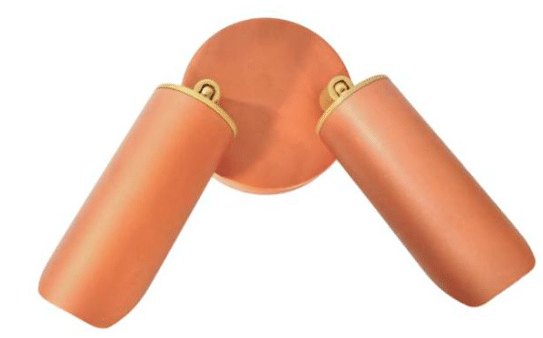
Landscape bullet lights that highlight gardens and facades and add security lighting to homes and businesses.

Flood lights to light storefronts, highlight signs and illuminate landscapes.

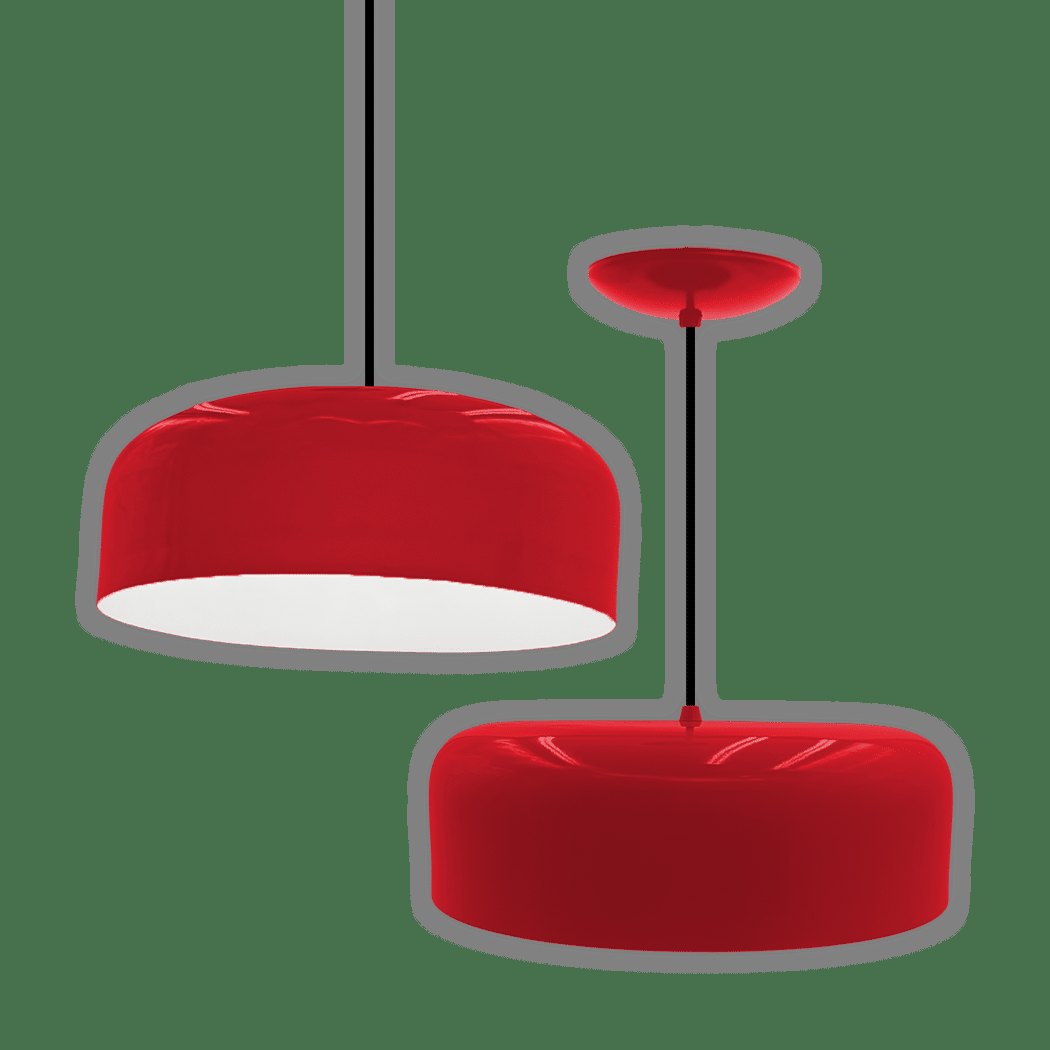
Pendant hanging fixtures that add a decorative touch to patios, dining areas and hallways, commercial or residential.

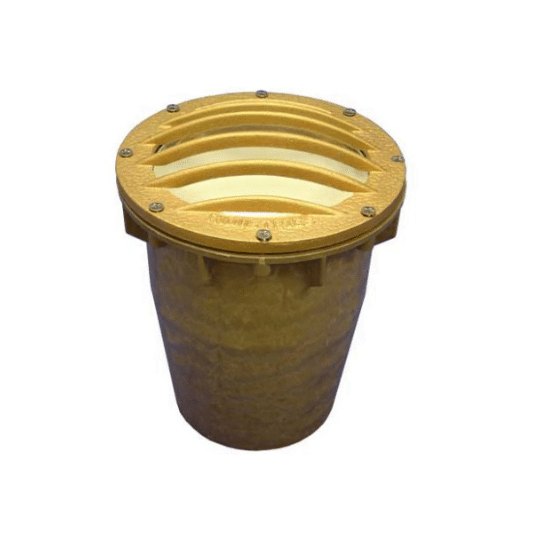
Inground lights that accent commercial grounds and home gardens without the distraction of visible fixtures.

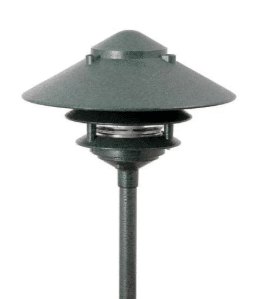
Path lights for commercial and residential properties that light the way and add to curb appeal.

From ropes to reels, LED Spot’s linear lighting selection includes a variety of colors, styles, and voltages for any indoor or outdoor setting.

Fixtures with built-in sensors and individual sensors in a variety of styles and applications.

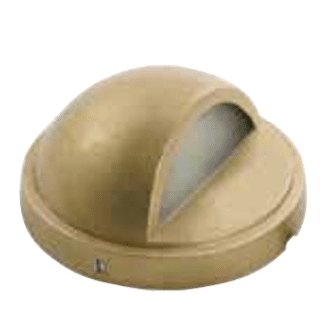
Energy efficient step lights and recessed brick lights for stairs, decks and walls.

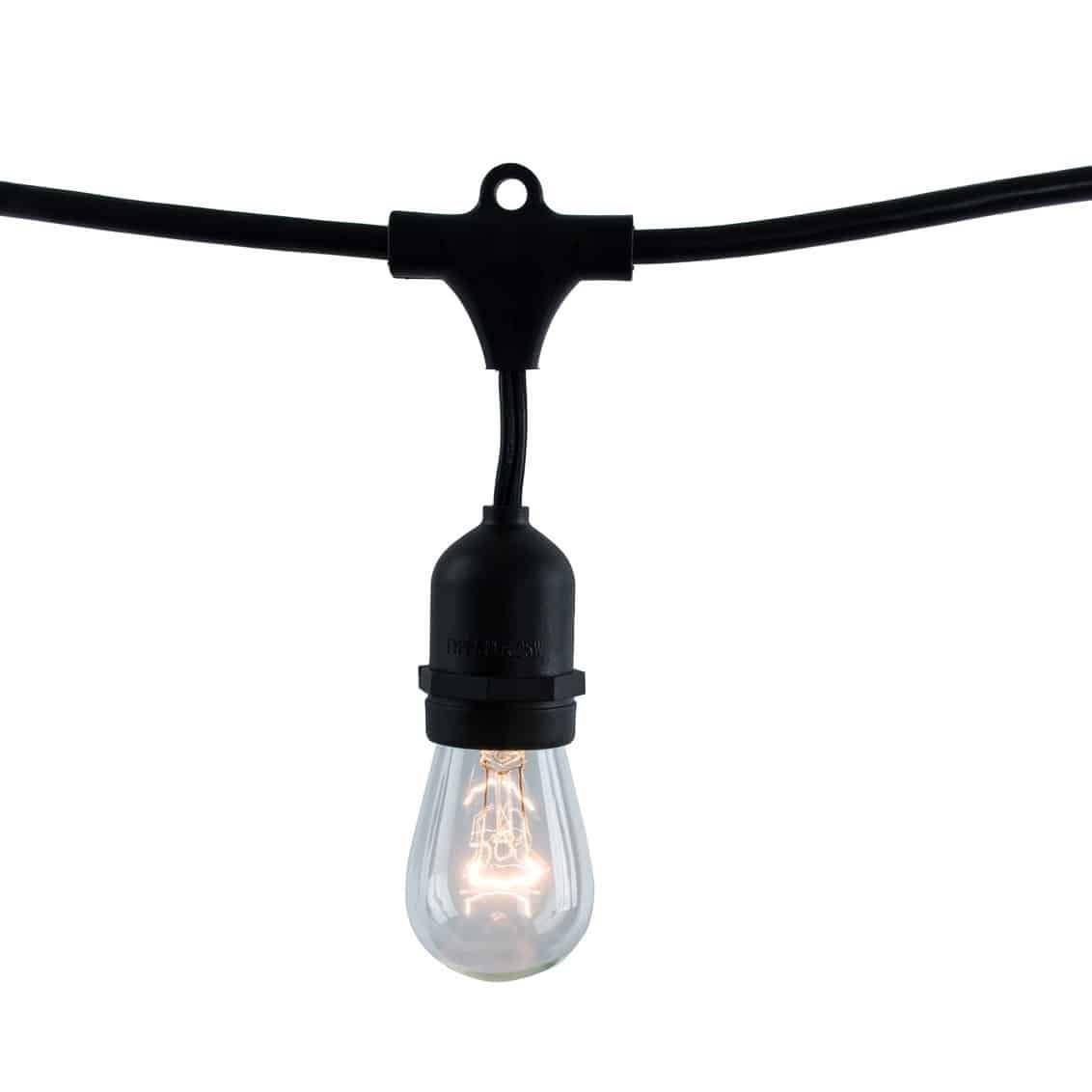
String lights that bring festive light to backyard patios, outdoor restaurant dining and other nighttime spaces.

Low voltage underwater lights for pools, ponds, fountains and other water features.

Which Landscape Fixture Does Which Job?

Bullet lights are directional and do the uplighting: trees, columns, signage and building facades. Path lights wash a walkway from above at low level. Bollards do the same job where a taller, more architectural form is wanted.
Inground and well lights disappear into the surface and graze a wall or trunk from below. Step and deck lights light a tread or a handrail. Underwater fixtures light fountains and water features. Flood and spot fixtures cover the larger areas.

Is Low Voltage or Line Voltage Right for the Job?

Most landscape lighting is low voltage, running at 12 volts through a transformer. It is safer to work around, the cable is easier to run, and the fixtures are smaller. Line voltage at 120 volts suits longer runs and higher output fixtures where the wire losses of a low voltage run become a problem.
The deciding factors are usually distance from the transformer, total wattage on the run, and what the site can accommodate.

How Do You Size the Transformer and Wire?

Add the wattage of every fixture on the run, then allow headroom so the transformer is not running at its limit. Wire gauge is chosen so that voltage drop across the run stays within tolerance, because a fixture at the far end of an undersized run receives less voltage and reads visibly dimmer and warmer.
Run length, gauge and total load all interact. Our free low voltage wire calculator does the arithmetic for you.

What Finish Holds Up Outdoors?

Solid brass and copper weather to a natural patina and last a long time in wet and coastal conditions. Powder coated aluminum is lighter and less expensive and comes in a range of finishes. Stainless hardware and proper gasketing matter more than the housing material for keeping water out.
For fountains, pools and any submerged application, the fixture has to be rated for continuous immersion rather than merely weatherproof.

How Do You Control Landscape Lighting?

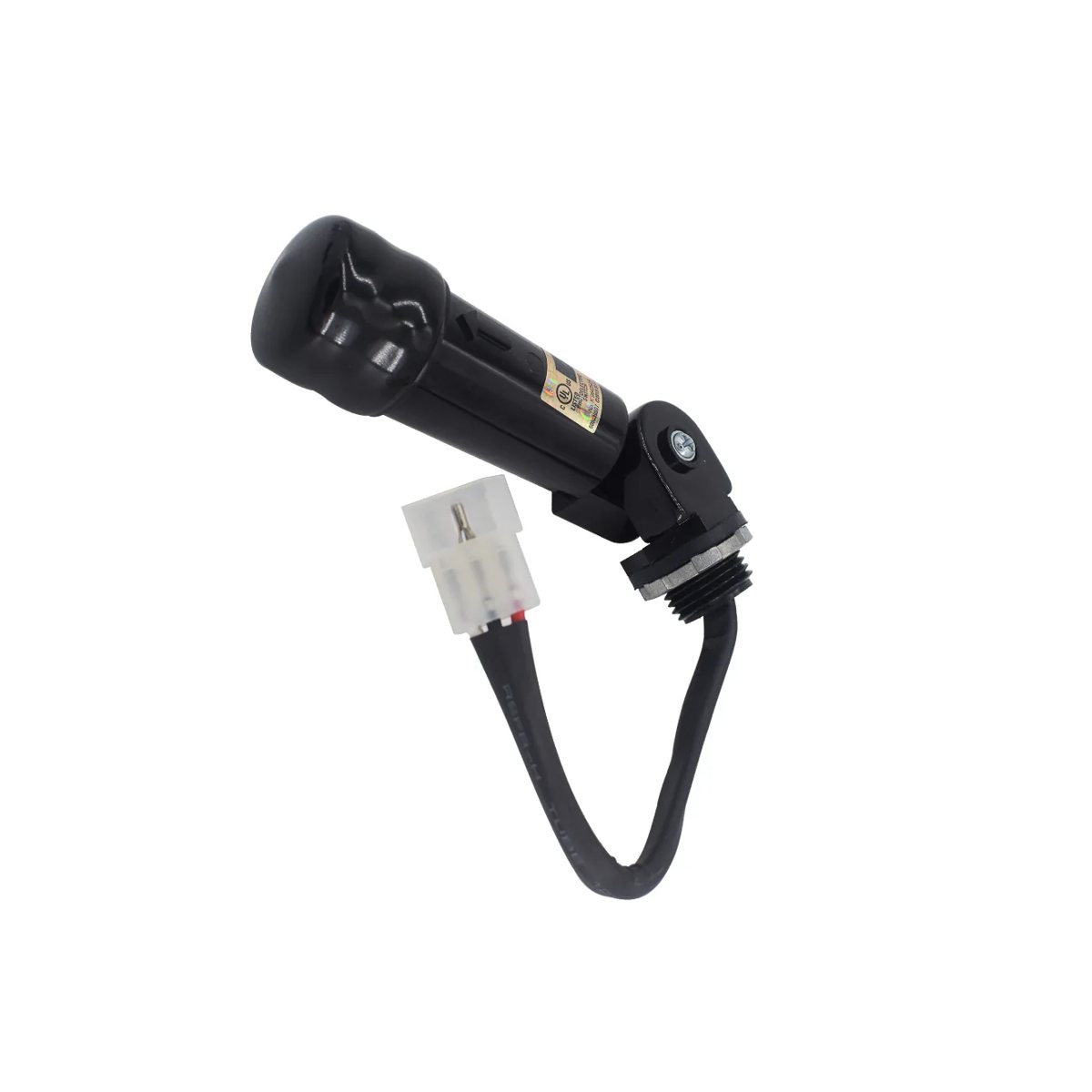
CLS A08 Swivel-Mount Outdoor Photocell Sensor for Low-Voltage Transformers (120V) - Weatherproof
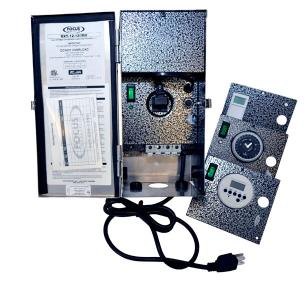
Photocells switch a system at dusk and off at dawn without any scheduling. Timers give fixed operating hours. Astronomical timers combine both, tracking sunset through the year. Dimming and zone control let different parts of a scheme run at different levels.
Sensor lighting adds occupancy response where a path or entry only needs full output when someone is there.

Frequently Asked Questions

Add up the wattage of every fixture on the run and choose a transformer with headroom above that total, so it is not operating at its limit. Multi-tap transformers also let you compensate for voltage drop on longer runs. Our free low voltage wire calculator will size the run for you.

Voltage drop. The further the current travels and the thinner the wire, the more voltage is lost before it reaches the last fixture, so it runs dimmer and warmer in color. The fix is a heavier gauge cable, a shorter run, a different wiring layout, or a higher tap on a multi-tap transformer.
Only fixtures rated for submersion. Underwater and fountain fixtures are built and sealed for continuous immersion, which is a different rating from weatherproof or wet location. Never substitute one for the other.

A bullet light is a narrow directional fixture for uplighting a specific object such as a tree or a column. A flood covers a wider area with a broader beam. Beam angle is the practical difference and it decides how tightly the light is controlled.

Yes. Solid brass and copper fixtures are available across the bullet, path and inground ranges. They weather to a natural patina and hold up well in wet conditions.

Sometimes, but only if the transformer has capacity left and the wire run can carry the extra load without pushing voltage drop out of tolerance. Adding fixtures to a run that is already at its limit dims everything on it.

Photometric Design

Send us your dimensions and we will model fixture placement and light levels before you commit.

Ready to Get Started?

Request a quote on any item, or call and talk it through with someone who specs these every day at (281) 972-5006.