
LED Parking Lot Lighting Fixtures
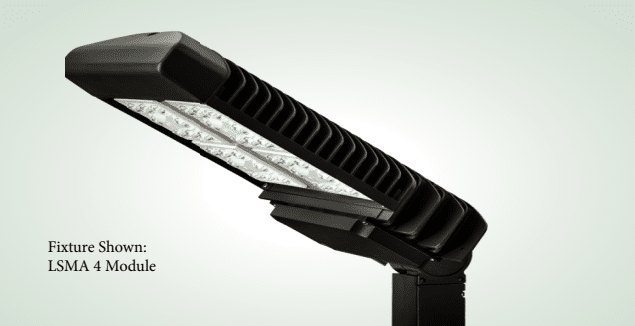
Shoebox and area fixtures with Type II, Type III and Type IV distributions for lots of every shape.
Home › Lighting Products › Parking Lot Lighting & Poles › LED Parking Lot Lighting Fixtures
The fixture decides what the lot looks like at night: where the light lands, where it stops, and how many poles it takes to get there. Our LED parking lot fixtures cover Type II, Type III and Type IV distributions across a range of outputs, so a narrow strip lot, a big box field and a perimeter row each get optics that match the geometry instead of fighting it.
Shop LED Parking Lot Lighting Fixtures by Type
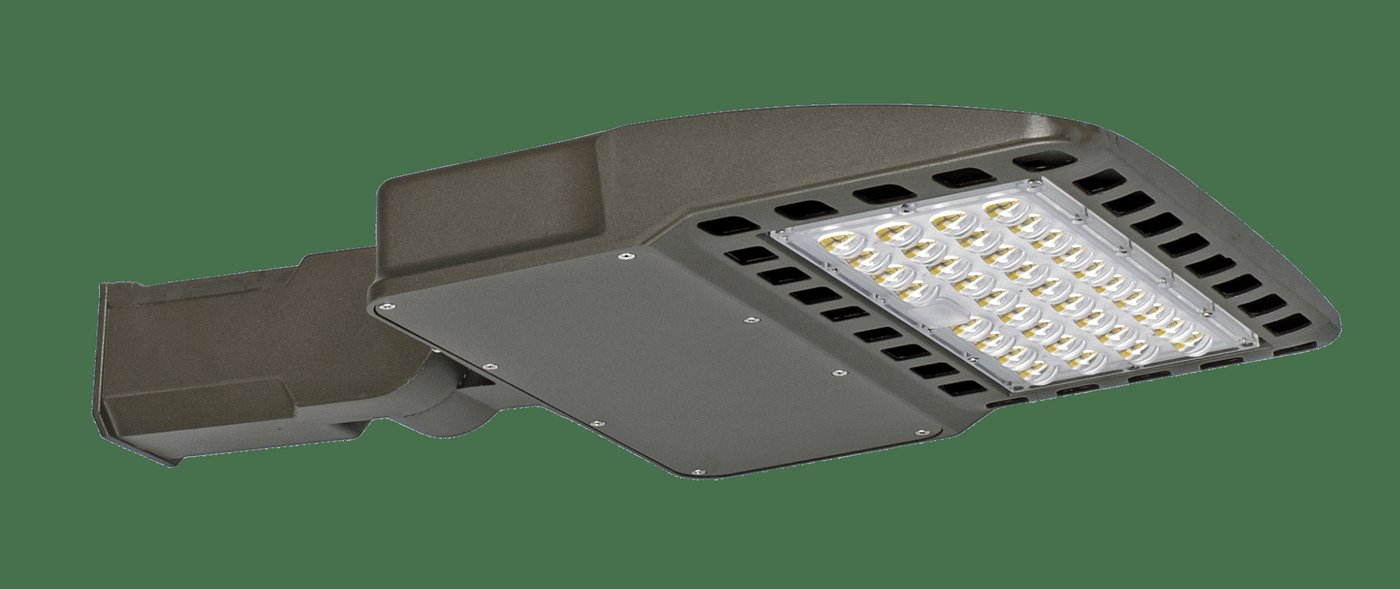
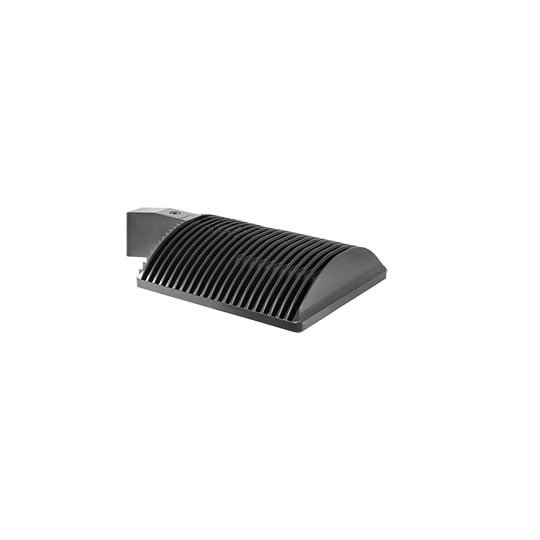
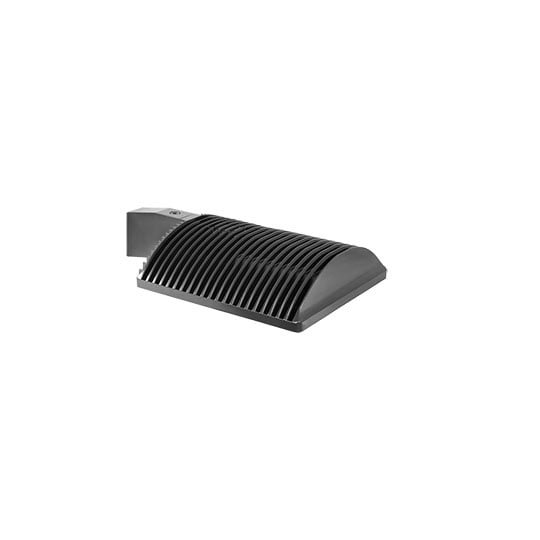
About Our LED Parking Lot Lighting Fixtures
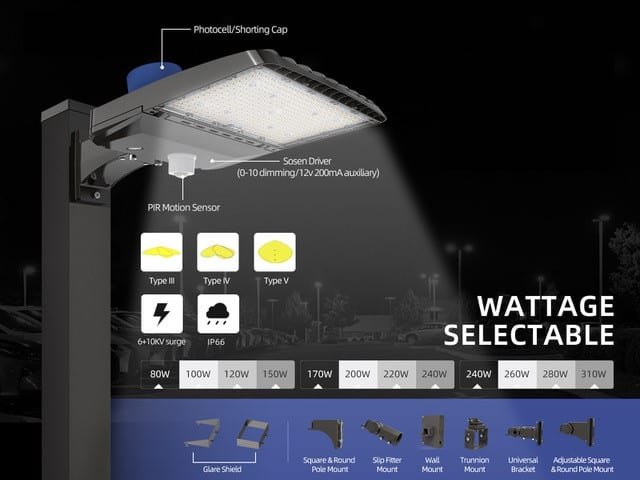
From a small office lot to a shopping center field, LED Spot’s area lights come in a range of wattages, optics and mounting styles so the fixture fits the site. Most of these heads replace metal halide or high pressure sodium, and the difference starts with how each makes light. An HID lamp strikes an arc through gas and metal salts inside a glass bulb, sends that light in every direction, and needs a large reflector to turn it toward the ground. An LED head uses a semiconductor chip and a driver, and it is directional by design, so the optic does the aiming without a bulky reflector.
That matters on the pavement. Aging HID lamps dim, drift in color and start cycling on and off, which leaves sections of a lot dark until someone replaces the lamp. LED heads hold their output much more steadily over time and render colors more accurately than metal halide or sodium, so cars, signs and faces are easier to read at night. Our LED parking lot lighting guide walks through the HID to LED comparison in more detail, and our article on LED parking lot lights covers where they are being used.
Choosing a Distribution Type
Type II suits narrow lots and drive lanes. Type III throws light forward and wide, the default for fixtures mounted at the edge of a lot. Type IV pushes nearly all of its light forward with very little behind the head, so it fits poles on a property line and fixtures on a building wall. Type V spreads evenly in all directions for poles standing in the middle of a field of parking. Choosing wrong wastes light on walls or leaves dark lanes between poles.
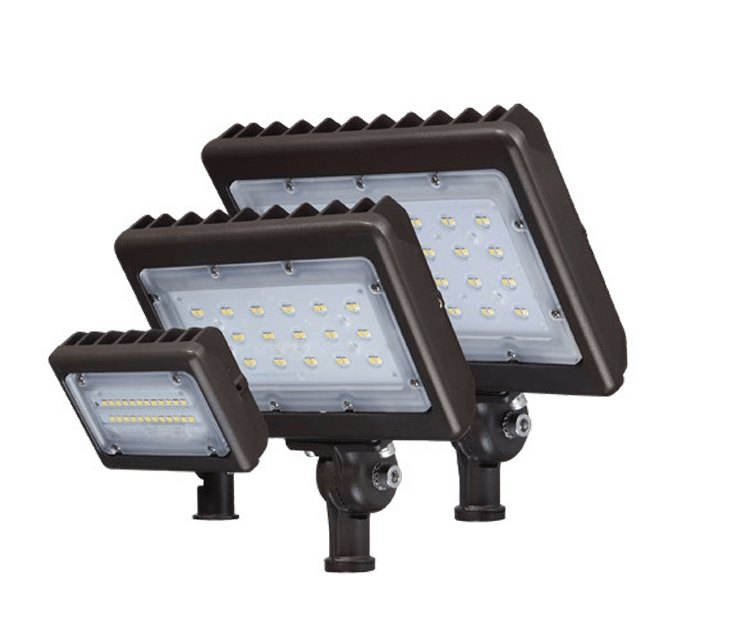
Output, Mounting Height and Spacing
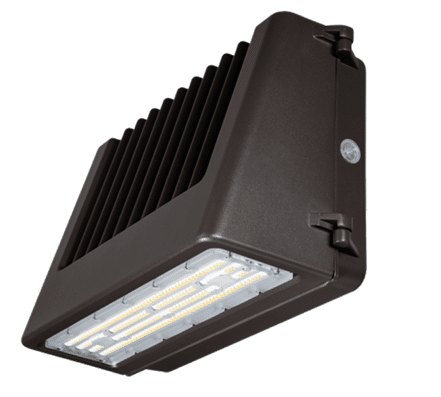
LED optics also put light where aimed instead of relying on spill, so an LED lot done correctly is brighter on the ground with less wattage and less light trespass at the property line. If the city or neighborhood has a dark sky or light trespass ordinance, three specs usually decide compliance: a full cutoff head (no light emitted above the horizon, and 10 percent or less of output between 80 and 90 degrees above straight down), a color temperature of 3000K or lower, which is what International Dark-Sky Association guidance points to, and controls that cut nonessential lighting late at night. Our page on dark sky lighting regulations explains how those rules work, and we also cover how to avoid light pollution with LED lighting.
Retrofit Heads on Existing Poles
Swapping HID shoeboxes for LED on existing poles is the fastest lighting upgrade a property can make. The checks that matter: the pole’s EPA capacity against the new head, the existing spacing against the new optics, and voltage compatibility. EPA usually works in your favor here. A metal halide head carries a ballast and a large reflector, so it is heavier and catches more wind, while the LED head that replaces it typically has a lower EPA. In hurricane-prone regions, where poles are engineered for higher wind loads than most of the country, that margin is worth confirming against the pole’s rating rather than assuming. Read more on how LED lighting changed pole wind ratings.
Frequently Asked Questions
Type III throws light forward and wide for edge-of-lot mounting. Type V distributes evenly in all directions for center-of-lot poles.
Wattage follows mounting height and spacing. A photometric model of the lot gives the real answer rather than a guess.
Most retrofit cleanly with the right mounting and a pole rated for the fixture’s EPA. Send the pole details and we will verify.
Yes, when specified correctly. LED optics control where light lands, keeping it in the lot and off neighboring property.
Photocells handle dusk to dawn operation. Timers can switch nonessential lighting off after closing, and occupancy sensors can dim heads when nobody is nearby and bring them back up when someone arrives. LED drivers respond to these controls far better than HID ballasts do. See our accessories range for timers and sensors.
Start with the ordinance itself, since rules are set at the state, city and neighborhood level and they differ. Most point to full cutoff shielding and a color temperature of 3000K or lower. The 360W Type III, 360W Type IV and 150W Type III groups include 3000K; the 360W Type II comes in 4000K and 5000K only. Send us the ordinance language and we will match fixtures to it.
LED Parking Lot Lighting Guides and Resources
How warm and cool color temperatures change the look of a lot, with an interactive chart.
How aiming, shielding, controls and warmer LEDs keep light on the lot and out of the sky.
What dark sky rules ask of outdoor lighting, and which fixtures help keep light pollution down.
LED efficiency, fixture shielding and photometric analysis: three changes that reshaped parking lot lighting.
How a photometric design shows fixture placement and light levels before you buy.
What changes when metal halide parking lot fixtures are replaced with LED, from energy use to maintenance.
Photometric Design
Send us your dimensions and we will model fixture placement and light levels before you commit.
Ready to Get Started?
Request a quote on any item, or call and talk it through with someone who specs these every day at (281) 972-5006.