Where lighting ideas turn into real lighting solutions

Lighting Accessories and Replacement Parts

LED bulbs, transformers, drivers, sockets, sensors, junction boxes, cable and replacement parts.

Home › Lighting Products › Lighting Accessories and Replacement Parts

Most lighting problems are not the fixture. They are the driver that failed, the transformer sized too tight, the wire gauge that dropped too much voltage, or a socket that corroded. This is the parts counter. Browse the range below, or read on for help choosing.

Browse All Lighting Accessories and Replacement Parts

Direct burial cable on reels from 50 to 500 feet, plus the low voltage connectors that power outdoor landscape fixtures.

Low voltage, high voltage, electronic and magnetic drivers to power and replace LED fixtures on any project.

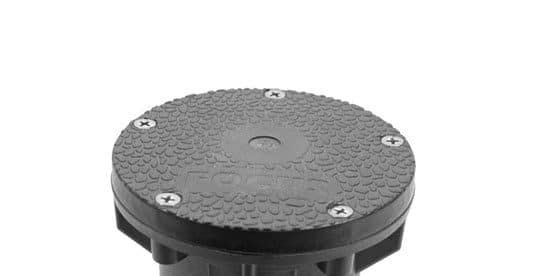
Certified Focus Industries replacement parts. Confirm compatibility with your fixture model before you order.

Junction boxes in many sizes, shapes and applications to safely hold the wiring for fixtures and projects.

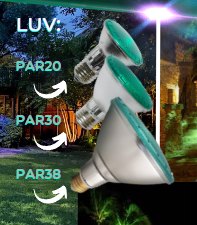
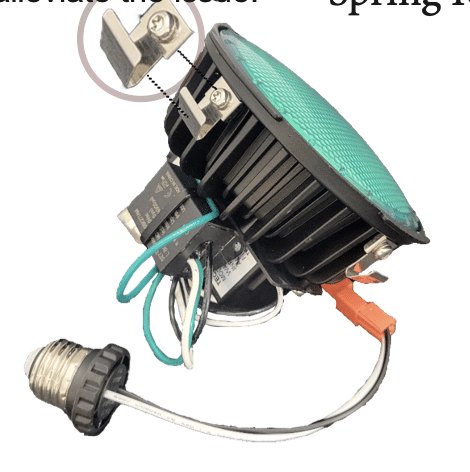
Energy efficient replacement LED bulbs and LED panels to fit almost any type of fixture.

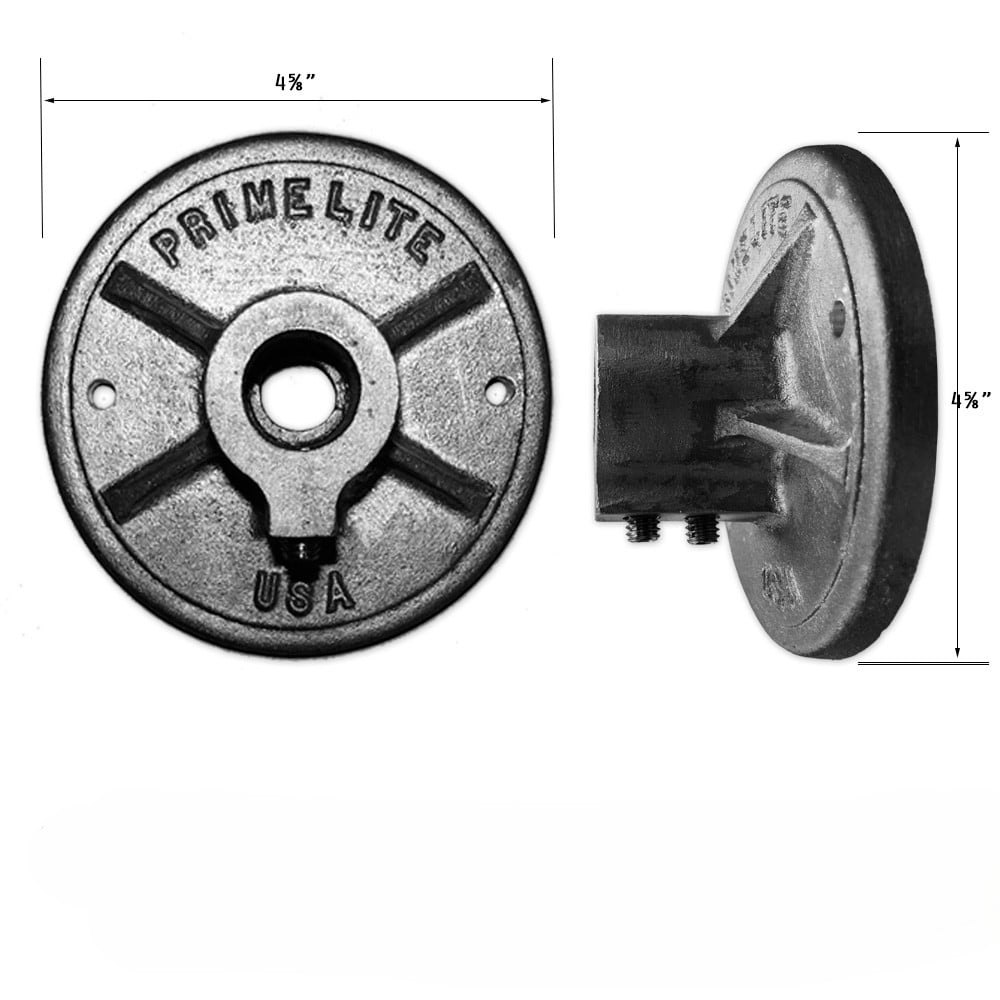
Mounts in a range of shapes, materials and sizes, including mounting stakes in plastic, brass and aluminum.

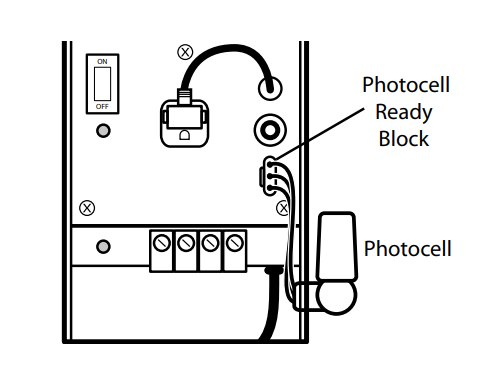
Sensors from motion detection to manual control, including 360 degree motion sensors for automatic lighting.

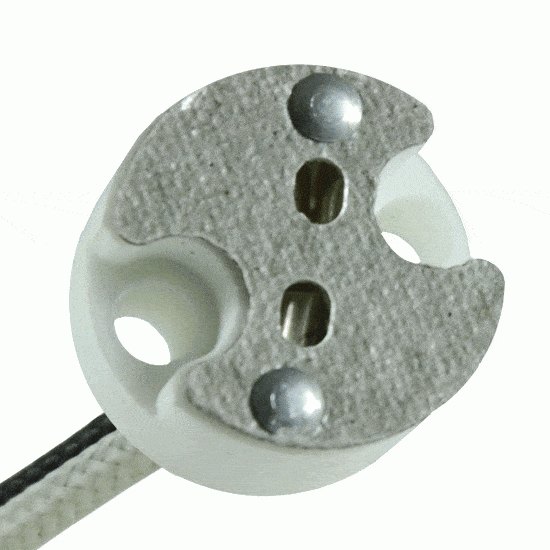
Sockets for MR16, MR11 and other lamps, including mogul base and medium base sockets.

Certified Techlight replacement parts. Confirm compatibility with your fixture model before you order.

Above grade and below grade transformers in a range of wattages, from weatherproof to timer ready.

Which Replacement Part Do You Actually Need?

Start with the symptom. A fixture that will not strike at all is usually the driver, the ballast or the socket. One that flickers or has gone dim is often the driver or an undersized supply. A run where only the far fixtures are weak is nearly always voltage drop rather than a failed part.
Matching the replacement to the original matters more than matching the brand. Voltage, wattage, socket base and physical dimensions all have to line up, which is why the part number on the old component is the fastest route to the right replacement.

What Is the Difference Between a Driver and a Ballast?

A ballast regulates current for fluorescent and HID lamps. A driver does the equivalent job for LED, converting incoming AC to the low voltage DC an LED array needs and holding the current steady.
They are not interchangeable. When an HID or fluorescent fixture is converted to LED, the ballast is either bypassed or removed and a driver takes over. Fitting an LED lamp to a live ballast without checking compatibility is a common cause of early failure. LED Spot does not sell ballasts or ballast replacement parts. For converted fixtures, we supply the LED drivers and ballast bypass lamps that replace them.

How Do You Size a Transformer for Low Voltage Lighting?

Total the wattage of every fixture on the run, then choose a transformer with headroom above that figure so it is not running at its ceiling. Multi-tap transformers add taps at slightly higher voltages so you can compensate for drop on a long run.
Magnetic and electronic transformers behave differently with dimming and with LED loads, so check compatibility before pairing one with a control system.

What Wire Gauge Should a Low Voltage Run Use?

Gauge is chosen so voltage drop across the whole run stays inside tolerance. The longer the run and the greater the load, the heavier the cable has to be. Undersized cable is the single most common reason a landscape scheme looks uneven.
Our free low voltage wire calculator sizes the cable from the run length and the connected load, so you can check before you buy rather than after you dig.

Which Sensors and Controls Work With LED?

Photocells switch at dusk and dawn. Timers give fixed hours. Occupancy and motion sensors, including PIR, ultrasonic and microwave types, bring output up only when there is someone there. Dimmers reduce level without switching off.
Not every control pairs with every driver. Dimming in particular depends on the driver supporting the dimming protocol, so it is worth confirming the pairing rather than assuming it.

Frequently Asked Questions

Match the specification on the failed driver: output voltage, output current or wattage, dimming protocol if any, and physical size. The part number on the original is the quickest route. If the label is gone, the fixture model number usually identifies the correct driver.

Only if the lamp is designed for it. Some LED lamps are ballast compatible and run on the existing ballast, others require the ballast to be bypassed and wired direct. Fitting the wrong type is a common cause of early failure, so check the lamp specification first.

Add up the wattage of every fixture on the run and pick a transformer with headroom above that total. Running a transformer at its absolute limit shortens its life and leaves no room to add fixtures later.

Voltage drop. Current loses voltage as it travels, and the loss grows with distance and with thinner cable. Heavier gauge cable, a shorter run, splitting the run, or a higher tap on a multi-tap transformer will all address it.

We carry replacement parts across several manufacturer lines including Focus and Techlight ranges, covering sockets, lenses, gaskets, circuit breakers, transformer cores and mounting hardware. Send the fixture model or the part number and we will identify what fits.
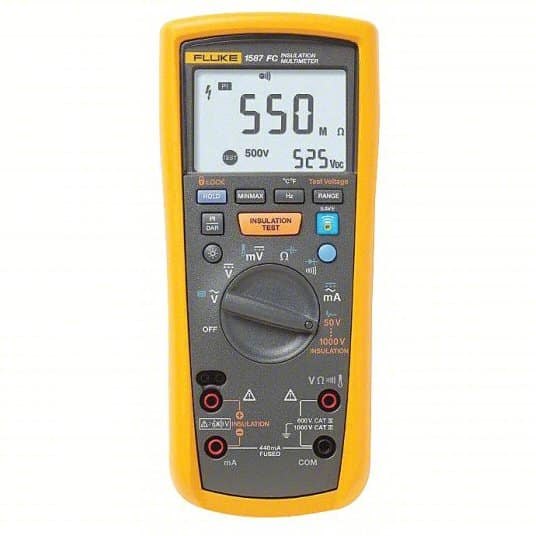
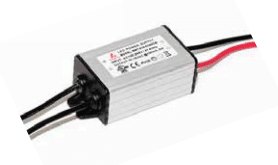
Magnetic transformers are heavier, tolerate harsh conditions well and suit many outdoor applications. Electronic transformers are lighter and more efficient. They behave differently with dimming and with LED loads, so pair them deliberately rather than by size alone.

Photometric Design

Send us your dimensions and we will model fixture placement and light levels before you commit.

Ready to Get Started?

Request a quote on any item, or call and talk it through with someone who specs these every day at (281) 972-5006.